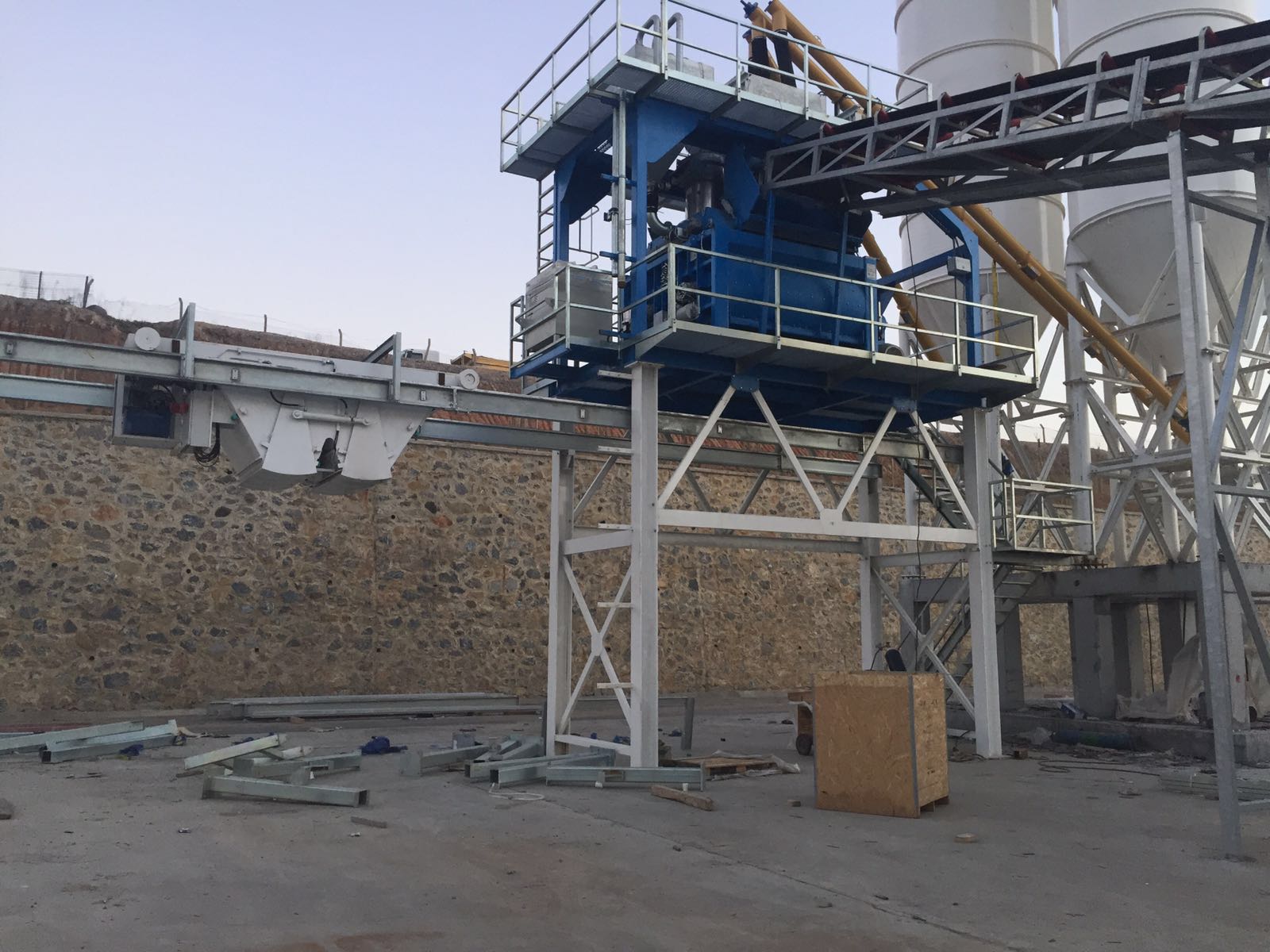
WHY SOLIDIFICATION PLANT
Stabilization and solidification facilities reduce the harmful effects of hazardous wastes by changing their physical and chemical properties and ensuring their safe storage. By minimizing the impact of waste on the environment, these facilities protect human health and support sustainable waste management.
MAIN STEPS OF STABILIZATION AND SOLIDIFICATION PLANT
- Waste Acceptance and Pre-treatment: Hazardous wastes are checked and accepted in the acceptance section of the facility. If necessary, wastes are subjected to pre-treatment such as size reduction or separation.
- Stabilization Process: Wastes are mixed with various chemical substances (e.g., binders, or stabilizers) to change their physical and chemical properties. This step reduces the waste's reactivity, making it safe.
- Solidification Process: Stabilized wastes are solidified. This is usually accomplished by forming a chemical bond within the waste or by polymerization reactions.
- Quality Control and Testing: After solidification, the material produced is checked for compliance with safety and quality standards. At this stage, various physical and chemical tests are performed.
- Storage or Disposal: Properly stabilized and tested wastes are placed in a secure storage area or subjected to disposal.

Suitable for Work Safety
Low Maintenance Cost
Minimum Energy Consumption
High Wear Resistance
High Efficiency
MAIN EQUIPMENT
- SLD - Stabilization and Solidification Plant
- DYT - Walking Floor
- DKH - Screw Conveyor
- DKR - Roller Conveyor
- Mixers
- Storage Silos
- Pumps

SLD - Stabilization and Solidification Plant
Download Catalogue